Clean Fuel Progress Grows, But Shipping’s 2030 Goal Is Still at Risk

Shipping is making progress with cleaner fuels, but uncertainty over the IMO’s Net-Zero Framework could slow the transition. A new report from the UCL Energy Institute and the Getting to Zero Coalition shows that technology is moving forward, while demand, investment and policy support remain weaker, reports gCaptain.
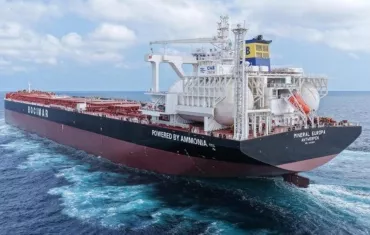
The share of scalable zero-emission fuel-capable vessels in the global orderbook fell from 9.5% to 5.7% of total tonnage over the past year. Shipping-specific sustainable debt issuance also dropped from $3.4 billion in 2024 to $3 billion in 2025. At the same time, methanol bunkering expanded from 19 to 29 ports, and methanol-capable tonnage in service tripled. The industry has also carried out its first ammonia bunkering operations and sea trials.
Shipping aims to use scalable zero-emission fuels for at least 5% of fuel used in international shipping by 2030, with 10% as the preferred level. But the Net-Zero Framework has not yet been formally adopted. This makes long-term decisions harder for shipowners, as vessels ordered in the coming years could remain in service into the 2040s.
Further IMO talks are scheduled for November, followed by MEPC 85 from November 30 to December 3. The IMO’s second extraordinary MEPC session is scheduled to resume on December 4, subject to confirmation by MEPC 85.