LNG as the future of shipping’s energy transition
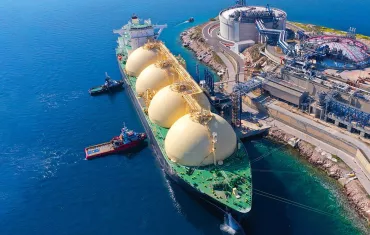
LNG is no longer a theoretical bridge fuel but a central pillar of shipping’s energy transition, writes Peter Keller, Chairman of Sea-LNG, in an author’s column published by Maritime Executive. For CEOs navigating decarbonization, LNG now represents scale, compliance certainty, and commercial flexibility.
In 2025, LNG-powered vessels accounted for 79% of all alternative-fuel orders, up from 67% in 2024. The global LNG-fueled fleet (including LNG carriers) now represents about 10% of total world deadweight tonnage. What began as a niche solution less than a decade ago has become a mainstream marine fuel, supported by energy density, global availability, and lower compliance costs.
Mr Keller argues that 2025 marked a turning point for LNG as a transition pathway, from fossil LNG to liquefied biomethane (renewable natural gas, RNG) and ultimately e-methane. Record volumes of RNG already power vessels, and production continues to grow.
Regulatory pressure is rising. While the International Maritime Organization works on its long-term emissions framework, regional rules such as FuelEU Maritime and the EU Emissions Trading System add cost and complexity. Mr Keller stresses the need for a single, global, goal-based framework that remains technology-neutral and commercially realistic.
Liquefied RNG offers an immediate drop-in solution. It uses existing LNG bunkering and vessel infrastructure, giving shipowners a practical path to lower emissions without stranded assets. According to the International Energy Agency, biomethane production is expanding by around 20% annually, yet only a small share of global potential is currently utilized.
Major players have begun scaling supply. In 2025, Hapag-Lloyd signed a multi-year liquefied biomethane agreement with Shell, while Gasum supports volumes linked to the Zero Emissions Maritime Buyers Alliance initiative. RNG is now available in roughly 70 ports worldwide, including Singapore and Rotterdam.
Methane slip remains a technical focus, but industry initiatives such as the Methane Abatement in Maritime Innovation Initiative aim to reduce and eliminate it by 2030.
Beyond carbon, LNG cuts SOx and NOx emissions and nearly eliminates particulate matter. For executives shaping fleet strategy, Mr Keller’s message is clear: LNG and renewable methane provide a scalable, investable pathway that aligns environmental goals with operational reality.