2026: Shipping Faces Hard Choices on Fuel
NextShip.net reports that in 2026 shipping will focus on practical decisions rather than bold decarbonisation targets. After 2025, the industry still struggles with high climate goals, limited fuel supply, and uneven rules. Shipowners will need to manage short-term compliance, costs, and fragmented policies. IMO’s net-zero plans remain, but timelines are slipping.
FuelEU Maritime is now the main test. Biofuels are expensive and scarce, making pooling a simpler, cheaper option. Digital tracking and reliable emissions data are becoming essential for compliance.
Disputes over who pays for emissions will grow. Charterers increasingly choose vessels based on emissions and data transparency, not just freight rates. Slow steaming stays a key tactic.
Global agreement on fuels is unlikely. Carbon pricing raises revenue while Scope 3 reporting pressures cargo owners to cut emissions now. Certified biofuels, pooling, and efficiency gains are in demand.
Flexibility is key. Pool fuels, use biofuels where available, rely on LNG or bio-LNG when allowed, and optimise operations. Revenue from ETS and FuelEU must support supply and retrofits, or the rules become extra costs.
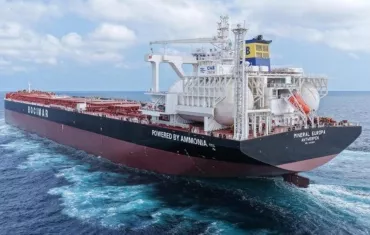
Ammonia and methanol won’t grow much next year. Dual-fuel confidence is falling. 2026 will be about safe, practical choices while policymakers debate costs and global alignment.