China and India Retreat from Russian Oil Amid US Sanctions
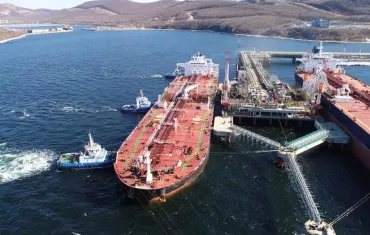
Global oil markets are shifting as China and India, Russia’s top energy clients, scale back purchases of Russian oil under mounting US sanctions pressure, Splash247 reports. The move follows President Donald Trump’s latest sanctions on Rosneft and Lukoil, intensifying Washington’s efforts to curb Moscow’s oil revenues that have funded the war in Ukraine for over three years.
According to industry insiders, Chinese giants Sinopec, CNOOC, and PetroChina have temporarily halted seaborne crude imports from Russia. Not as a political gesture, but out of compliance concerns. The new restrictions dramatically raise the risk of secondary sanctions, outweighing short-term trading benefits.
India is also pulling back from Russian crude, a trend that could reshape global tanker routes and disrupt supply chains. Together, China and India account for roughly 75% of Russia’s seaborne oil exports, meaning any slowdown in their purchases hits the Kremlin’s revenues hard.
With Gazprom Neft and Surgutneftegaz already under restrictions, nearly all of Russia’s major exporters are now sanctioned by the US. Analysts say this could trigger widespread volatility in oil prices and freight rates. Indeed, tanker forward freight agreements (FFAs) have already surged following the announcement, while oil prices climbed sharply.
The coming days’ tanker-tracking data will reveal the full impact of Trump’s first sanctions package since returning to office. Analysts at Jefferies estimate that 30–40% of Russia’s seaborne crude is carried on compliant vessels under the G7 price cap of $47.60 per barrel.