Engine Room Fire on MV Maria Felisa Injures Crew in Surigao Strait
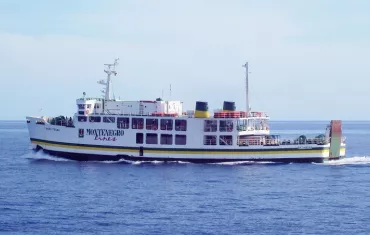
A fire in the engine room of the Ro-Ro ferry Maria Felisa injured three crew members while the vessel was sailing through the Surigao Strait in the southern Philippines, reports The Maritime Telegraph. The incident forced the ferry to stop mid-voyage and rely on external assistance, highlighting once again the risks faced by seafarers during onboard emergencies.
The MV Maria Felisa departed Port of Benit in San Ricardo, Southern Leyte, on 1 February 2026, bound for Lipata Port in Surigao City. On board were 92 passengers and 33 crew members. During the crossing, crew in the engine department detected abnormal heat levels in a lube oil filter, which led to machinery overheating and sparked the fire, as later confirmed by maritime authorities cited by Safety4Sea.
Engine room personnel and other crew reacted immediately, following emergency procedures and launching onboard firefighting efforts. Their coordinated response kept the fire confined to the engine compartment and prevented it from spreading to passenger areas or critical systems.
Three crew members sustained injuries during the incident. Two suffered first-degree burns and required hospital treatment, while another crew member experienced smoke inhalation and received medical assistance on site. All injured seafarers were reported to be in stable condition, local media noted, underscoring the physical toll such incidents place on crew members working in high-risk zones.
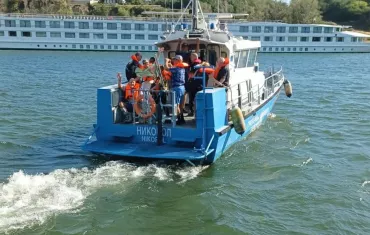
As a result of the fire, the ferry’s main engine shut down approximately 0.85 nautical miles off Bilaa Point near Surigao City. The Philippine Coast Guard dispatched high-speed response boats, while the Ro-Pax ferry Maria Vanessa took the disabled vessel under tow, The Philippine Star reported.
The operation brought Maria Felisa safely to Lipata Port. All passengers disembarked without injuries, while authorities began reviewing the incident to assess machinery safety and crew protection measures. The case once again draws attention to the critical role of crew training and rapid response in preventing engine room fires from turning into major maritime disasters.